Juicing for Anti-Inflammation: Recipes, Shots, and Diet Guide

Juicing for anti-inflammation offers a practical and nutrient-rich way to support overall health and combat chronic inflammation at its source. By extracting juice from fresh fruits, vegetables, and roots, you deliver a concentrated dose of vitamins, minerals, and powerful antioxidant compounds that help reduce oxidative stress and strengthen the immune system. Unlike heavily processed beverages, fresh juices—especially those made with cold press juicers—retain more nutrients and preserve the integrity of anti-inflammatory compounds, making them an effective addition to a balanced diet.

The foundation of anti-inflammatory juicing lies in choosing the right ingredients. Roots like turmeric and ginger are among the most potent, thanks to compounds such as curcumin and gingerols, which help reduce pain, support digestion, and fight inflammation. Fruits like pineapple and citrus provide enzymes and vitamin C that aid tissue repair and immune function, while leafy greens such as kale and spinach offer chlorophyll, magnesium, and phytonutrients that help neutralize inflammation at a cellular level. Combining these ingredients allows you to create flavorful juices that are both therapeutic and enjoyable.

Read More
Diabetes Menu Planning: Balanced Meals for Better Health

Are you struggling to keep your blood sugar levels in check? Unlock the secrets to effective diabetes menu plans and transform your health journey with our comprehensive guide. Dive into a world where meal planning becomes a breeze, thanks to the Diabetes Plate Method, which simplifies portion control and ensures balanced nutrition. Imagine effortlessly creating perfectly portioned meals that not only stabilize your blood glucose but also tantalize your taste buds.

Our expertly crafted meal plans are designed to help you manage your diabetes while enjoying a variety of nutritious foods. From hearty breakfasts featuring Greek yogurt and berries to satisfying dinners like lemon chicken with roasted sweet potatoes, each meal is tailored to support your health goals. Discover smart snacking choices that keep your energy levels steady throughout the day and learn which foods to avoid for optimal blood sugar management.

Whether you're aiming for weight loss or simply want to maintain a healthy balance, our guide provides the tools and inspiration you need. Embrace a diabetes-friendly diet that empowers you to make informed, healthy food choices and enjoy a more vibrant life. Don't miss out on this opportunity to take control of your health—read on to uncover the full potential of diabetes menu planning!

Read More
Is Saturated Fat or Sugar Worse for Your Health?

In today's world, the debate over whether saturated fat or sugar is worse for your health is more relevant than ever. Both have been linked to significant health issues, including heart disease, obesity, and metabolic disorders. This article offers an in-depth exploration of the distinct ways each of these dietary components impacts your health, aiming to provide clarity and actionable advice for making informed food choices.

Saturated fats, commonly found in fatty meats, full-fat dairy products, and tropical oils like coconut and palm oil, are known to raise LDL cholesterol levels, which can increase the risk of heart disease. However, not all sources of saturated fat are equally harmful. Some dairy products may not elevate the risk of coronary heart disease and might even offer health benefits. The article underscores the importance of understanding the sources of saturated fats and how they affect your body, recommending a daily intake limit to reduce heart disease risk.

On the other hand, added sugars, prevalent in processed foods and sugary drinks, contribute significantly to obesity and other health problems. High sugar intake is linked to increased cardiovascular disease risk and can lead to insulin resistance, a precursor to type 2 diabetes. By reducing sugar consumption, individuals can manage their weight more effectively and improve their overall health.

The article also highlights the benefits of incorporating unsaturated fats into your diet. These healthier fats, found in foods like olive oil, nuts, and oily fish, can lower LDL cholesterol levels and reduce the risk of cardiovascular disease. By replacing saturated fats with unsaturated fats, you can enhance your heart health and overall well-being.

Furthermore, the article provides practical dietary guidelines and recommendations, emphasizing the importance of a balanced diet that limits both saturated fats and added sugars. It encourages readers to make healthier food choices by examining food labels and opting for nutrient-rich foods. By making these informed choices, you can significantly improve your cardiovascular health and reduce the risk of chronic diseases.

In summary, this article offers a comprehensive look at the health implications of saturated fat and sugar, providing valuable insights and strategies for maintaining a balanced diet. By understanding the effects of these dietary components and adhering to recommended guidelines, you can take proactive steps toward achieving optimal health. Dive into the full article to uncover more about how you can balance these elements in your diet and make informed decisions for a healthier lifestyle.

Read More
Understanding Types of Fats: Quick Guide to Healthy Choices

In today's health-conscious world, understanding the different types of dietary fats is crucial for making informed food choices that promote overall wellness. The article "Understanding the Type of Fats: A Quick Guide to Healthy Choices" delves into the essential role fats play in our diet, distinguishing between the good, the bad, and the in-between fats that impact our health.

Dietary fats are not just a source of energy; they are vital for hormone production, nutrient absorption, and maintaining cell function. However, not all fats are created equal. The article highlights the importance of differentiating between harmful fats, like saturated and trans fats, which can elevate LDL cholesterol and increase the risk of heart disease, and beneficial fats, such as monounsaturated and polyunsaturated fats, which support heart health and overall wellness.

Saturated fats, found in animal products and certain tropical oils, are solid at room temperature and can raise bad cholesterol levels, increasing cardiovascular risks. Trans fats, often present in processed foods, pose even greater health risks by elevating LDL cholesterol while lowering HDL cholesterol. The article emphasizes the need to limit these unhealthy fats in our diet.

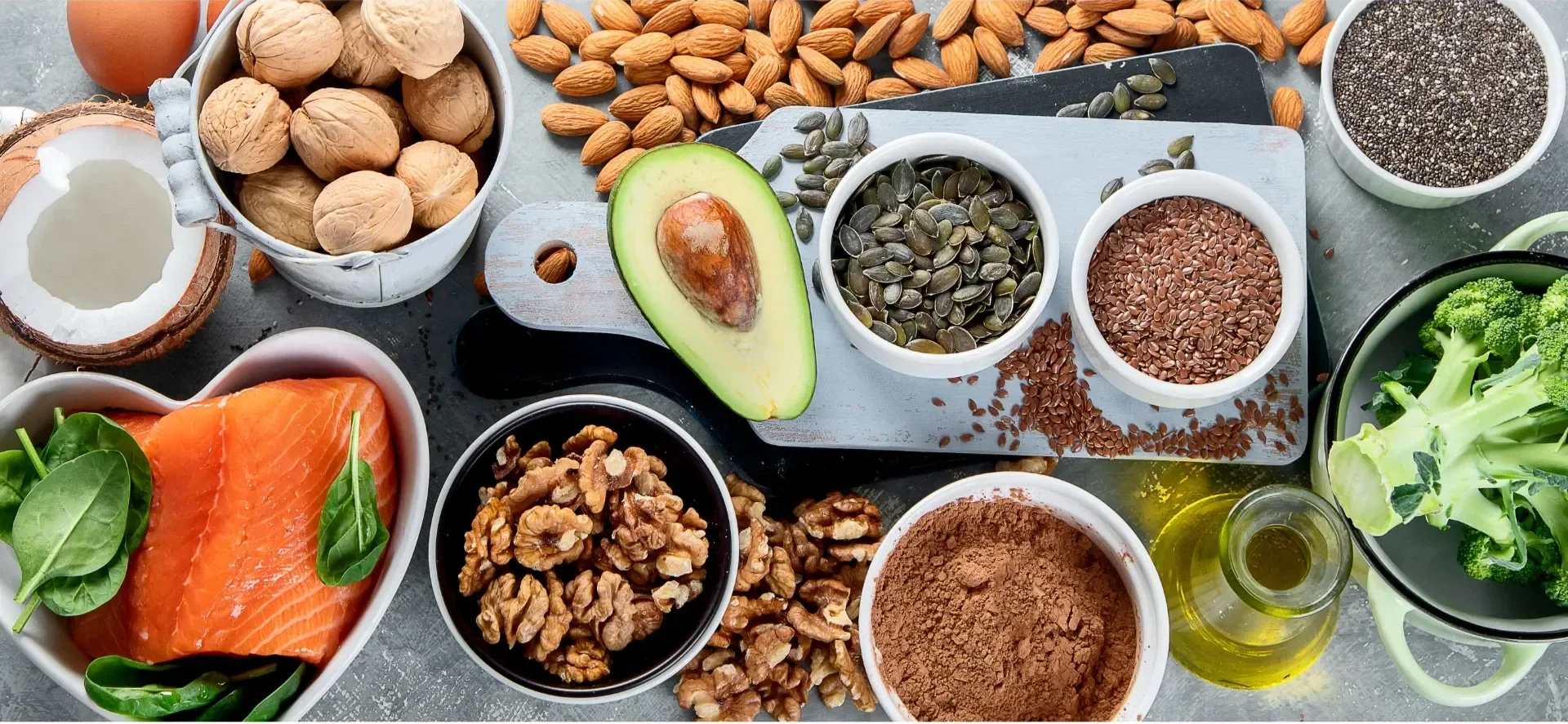
On the flip side, monounsaturated and polyunsaturated fats are the heroes of the fat world. Found in foods like olive oil, avocados, nuts, and fatty fish, these fats help reduce bad cholesterol levels and provide essential fatty acids that the body cannot produce on its own. The article explains how incorporating these healthier fats into your diet can significantly improve cardiovascular health and reduce inflammation.

The guide also offers practical tips for incorporating healthy fats into your meals, such as choosing fatty fish over red meat, using heart-healthy oils for salad dressings, and adding nuts and seeds to your dishes. It debunks common misconceptions about fats, clarifying that not all fats are detrimental and that unsaturated fats are essential for good health.

For those looking to maintain a balanced diet and improve heart health, this article provides a comprehensive overview of the different types of fats and their effects on the body. By understanding the nuances of dietary fats, readers can make smarter food choices that contribute to a healthier lifestyle. Dive into the full article to explore the fascinating world of fats and learn how to harness their power for better health.

Read More